
Life as an exchange student in China

More and more international students are choosing to study in China, encouraged by the Chinese government’s efforts to attract international students through scholarships. This is the story of Lin and Elisabeth. They both spent one year as an exchange student in China and in the first half of 2025 they did an internship at Horsten International’s office in Belgium.
We are Lin and Elisabeth, both Belgian students of Chinese Studies at KU Leuven. As sinologists, spending a year in China was a fixed part of our program. It wasn’t so much a question of if we would go, but where in China we would end up. Lin studied at Suzhou University and Elisabeth was enrolled in a language program at Sichuan University. We both applied for a scholarship offered by the Chinese government, which helps cover the costs of studying and living abroad. That made the decision easier financially, even though we still had to take care of a lot of practical things ourselves: visa applications, paperwork, and so on. Before leaving, we didn’t really know what to expect. We had studied the language and culture in class, but living in China would be something entirely different.
First impressions
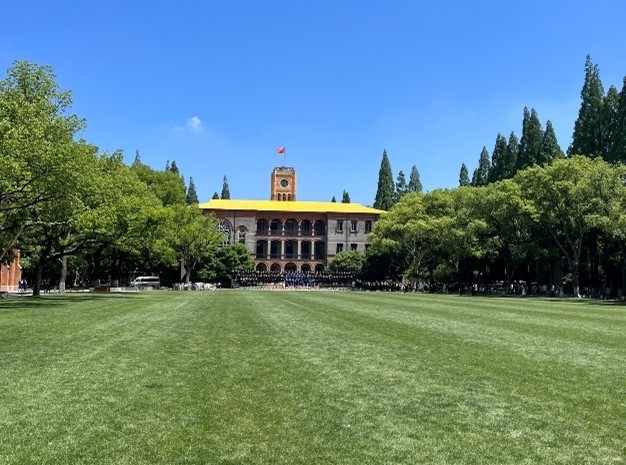
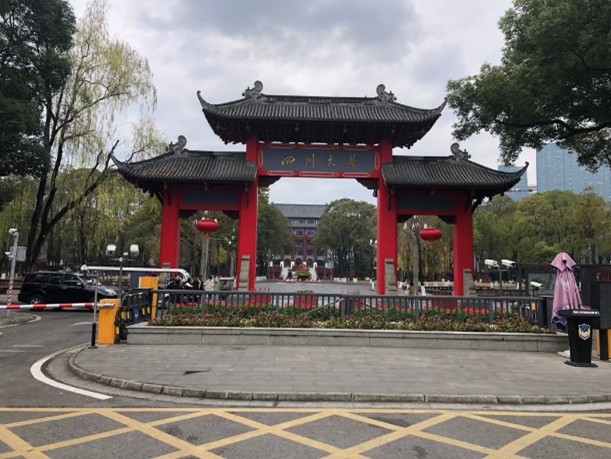
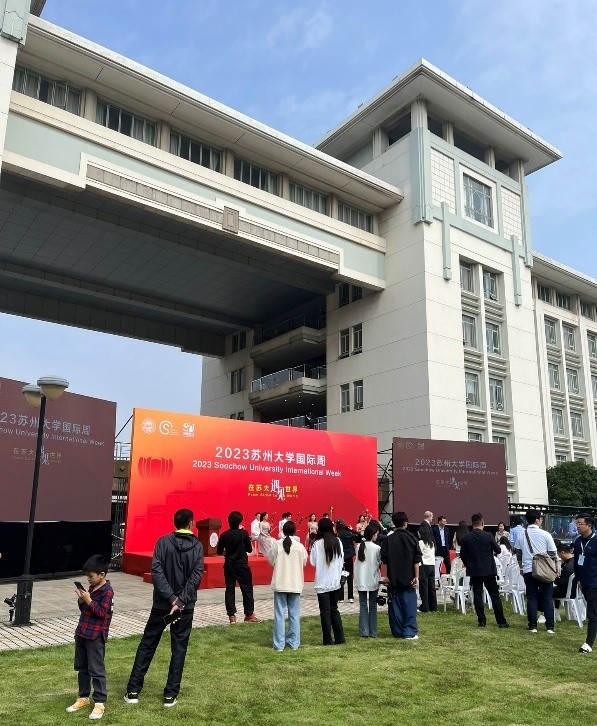
The first thing we noticed when we arrived in China was the weather. It was hot, much hotter than we were used to, and definitely not something we had packed for properly. The heat and humidity hit hard, and it took some time to adjust. Another thing that stood out right away was the size of the university campus. A Chinese campus isn’t just a place to attend classes, it’s like a mini city. Ours had everything: restaurants, supermarkets, a bank, a gym, and even a small hospital. You could easily spend days without ever needing to leave campus, which was both convenient and impressive.
One of the biggest surprises was how dependent daily life in China is on your phone. From paying in shops and restaurants to renting a bike or even ordering food from the canteen, almost everything is done through apps like WeChat and Alipay. Without mobile internet and a working payment app, it’s nearly impossible to do anything. We were surprised by how essential being digitally connected is. It’s not just helpful, it’s necessary.
The first few weeks were also quite challenging. Before we could settle in, we had to handle a long list of administrative tasks: applying for a residence permit, opening a bank account, getting a local SIM card, registering with the university, and even completing a medical check-up. Each step involved paperwork, visiting different offices, waiting in long lines, and trying to figure things out in a language we were still learning. It definitely tested our patience and flexibility.
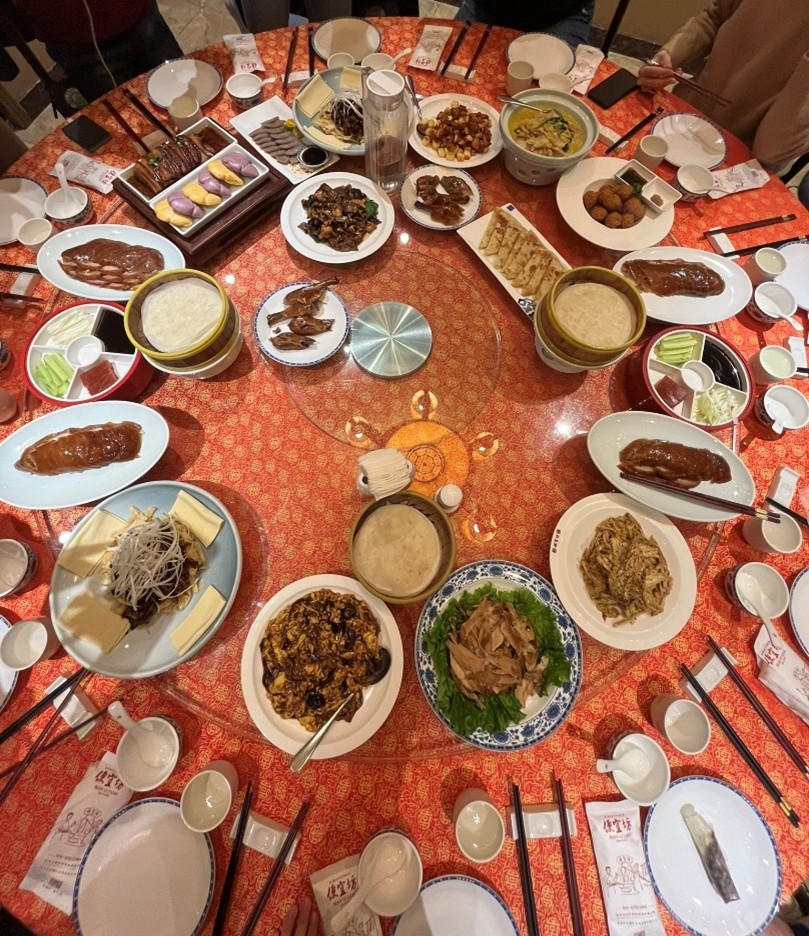
But despite all the practical challenges, we were also really excited. The food was amazing, there was so much variety and so many new things to try. Hotpot, dumplings, jianbing, bubble tea… it felt like a new adventure at every meal. And beyond the logistics, it was just fascinating to finally be immersed in the culture we had studied for so long. Being there in person made all the effort worth it.
Campus life and classes
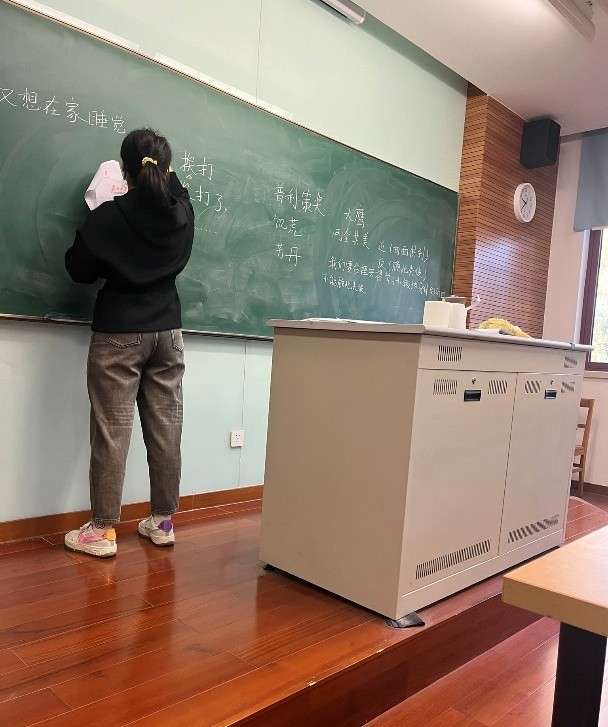
Once we got past the first few weeks of paperwork and settling in, daily life on campus started to feel more familiar. As our routines took shape, we gradually shifted our focus from the practical challenges to the academic experience. All of our classes were taught entirely in Chinese. There were some differences between our universities: Lin followed a full program of language courses, while Elisabeth had a mix of language and cultural courses. Compared to our classes back home at KU Leuven, the academic experience was quite different. The workload was lighter, and the teaching style was more focused on memorization and repetition. Overall, the classes were more accessible, and the exams felt less demanding than what we were used to in Belgium.
Life outside class
One of the most valuable parts of our time in China was being surrounded by people from all over the world. Living and spending time in such a multicultural environment made us think about our own habits, values, and way of life. Simple conversations about things like food, traditions, or how people interact socially often led us to reflect on how things are done back home. This experience made us more open, flexible, and understanding.
Even though most of our classes were with international students, we still had plenty of chances to interact with local Chinese people on campus, in shops, or during trips. Those small moments helped us understand Chinese habits and social norms a lot better. You notice how people communicate, how they build trust, and what’s considered respectful. It gave us a more real, everyday view of Chinese culture, not just what you read about, but how it actually feels.

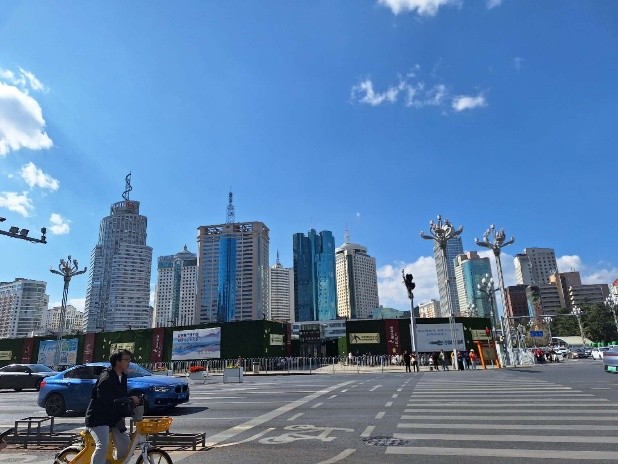
Living in China also gave us the opportunity to explore different cities and regions, each with its own pace, character, and way of doing things. We had a lot of time to explore, whether it was within the city, around the province, or to other regions during longer breaks. Every weekend felt like a new opportunity to discover something different, and the country’s diverse landscapes and cultures made every trip unique. One of the best things about traveling in China was how easy and affordable it was. The modern metro systems and high-speed trains made getting around convenient and inexpensive, allowing us to visit various places without spending too much. Overall, traveling in China enriched our experience. It allowed us to experience the country beyond our university campus and gave us the chance to immerse ourselves in the diverse cultures and landscapes that make China so unique.

What we have learned
Spending a year in China taught us more than just language and culture, it was a real lesson in independence. From day one, we had to figure things out on our own: setting up a bank account, registering at the university, getting a phone number, or simply doing laundry in a completely unfamiliar environment. There was no one to do these things for us, so we learned how to solve problems, take initiative, and stay calm when things didn’t go as planned. Living abroad also pushed us to step outside our comfort zones. Whether it was finding our way around a new city, dealing with administrative hurdles, or having to speak Chinese in everyday situations, we were constantly challenged in small and big ways. Over time, we became more confident and more at ease using Chinese, especially in practical, real-life contexts. More than anything, the experience helped us get to know ourselves better. Being in a completely different environment made us reflect on what we value, what we’re capable of, and how we adapt to new situations.
We look back on our time in China with great satisfaction, and we would definitely encourage others to do something similar. Whether you’re studying Chinese or simply curious about the country, spending a longer period in China is an experience you won’t forget.

Interested in our services?
We are always available to answer any questions you may have. Or interested in a one-hour free consultation?
Contact us