
Learning Chinese for business: Is it worth it?
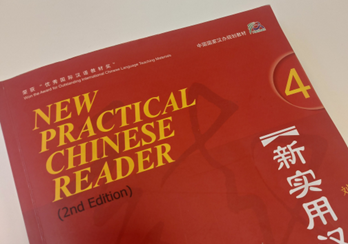
As China’s economic presence continues to grow, foreign companies are showing increasing interest in China. While it is possible to work internationally without speaking the local language, even a basic understanding of Mandarin can help ease communication and foster stronger connections. In a business culture where relationships matter, the question arises: is learning Chinese useful for foreigners?
Why China matters for foreign firms
As interactions with China grow, many wonder if learning Mandarin is worth it. While not essential, the language can serve as a valuable bridge in Chinese business culture, where relationships and trust—“guanxi”—are key. A simple greeting or thank-you in Mandarin can help break the ice, humanize a negotiation, and show that you are interested in more than just a business success. Understanding the language, even minimally, can also offer insights into how Chinese people think and communicate, something that often goes deeper than translation.
Mandarin: A language unlike any other
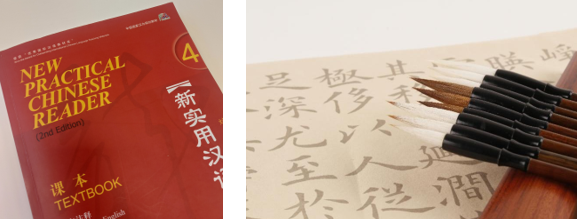
Mandarin, also known as Standard Chinese, is the official language of China and the most widely spoken form of Chinese worldwide. It stands apart from Western languages in several ways, which can feel intimidating at first. It’s a tonal language, meaning the pitch of your voice changes the meaning of a word. For example, the syllable “ma” can mean “mother,” “horse,” or “to scold,” depending on the tone. There are four tones, plus a neutral one, and getting them right is crucial to being understood. The writing system is equally distinctive. Instead of an alphabet, Chinese uses thousands of characters, each representing a word or concept. To read a newspaper, you would need to recognize around two to three thousands of them. While tones and characters pose a challenge, Mandarin grammar is refreshingly straightforward: no verb conjugations, plurals, or noun genders, making the sentence structure easier to grasp once you get going.
It is not a prerequisite for success
Learning Mandarin is not essential for doing business in China. Many foreigners work effectively with Chinese partners using English, especially in larger cities and international settings. Translators and bilingual staff can help bridge most communication gaps. What matters more is having a strong product, market insight, and cultural sensitivity.
Still, learning some Mandarin, or at least making an effort, can be a subtle but powerful advantage. It shows respect for your counterpart’s language and culture and often leads to more open and collaborative relationships. Even a few key phrases can signal that you are willing to meet people halfway, and that effort rarely goes unnoticed.

A practical first step
For those curious but hesitant, starting small is often the best approach. There are plenty of accessible ways to begin: apps, online courses, evening classes, that let you explore the language at your own pace. Even learning a few key expressions can already make a difference in meetings or on business trips.
Here are a few commonly used expressions in professional settings:
- 你好 (nǐ hǎo) – Hello
- 谢谢 (xiè xie) – Thank you
- 请多关照 (qǐng duō guān zhào) – I appreciate your support/guidance (conventional greeting on first meeting)
- 合作愉快 (hé zuò yú kuài) – Looking forward to a successful collaboration
- 双赢 (shuāng yíng) – Win-win (a highly valued concept in Chinese business)
Even if your pronunciation isn’t perfect, using these phrases can leave a lasting positive impression and show genuine interest in connecting across cultures.
Conclusion: Strategic, not essential
So, is learning Chinese useful for foreigners? The answer is yes—but with nuance. It is not essential for success in the Chinese market, and no one’s career will hinge on perfect pronunciation. However, it is a meaningful advantage, especially for those with long-term interests in Asia or roles that involve building trust and dealing with cultural differences. That said, it’s important to view language learning as a complement to other skills, not a replacement. Fluency alone won’t guarantee business success. But combined with cultural knowledge, strategic thinking, and adaptability, it can strengthen your global profile.
With years of experience in the Chinese market, Horsten International helps Western businesses with everything from translation to market strategies. Contact us for more information.

Interested in our services?
We are always available to answer any questions you may have. Or interested in a one-hour free consultation?
Contact us