
China’s e-commerce landscape

In just a few taps on a smartphone, over a billion Chinese consumers can order everything from breakfast to BYD cars. The scale and speed of China’s digital marketplace are unlike anything seen before, combining innovation, fierce competition, and government-driven digital infrastructure. But for European businesses, this transformation is more than just impressive, it is a growing opportunity.
Understanding the Chinese e-commerce landscape
China is home to the world’s largest e-commerce market, accounting for nearly half of global online retail sales. With over one billion internet users, mobile technology, and platforms like Alibaba, JD.com, and Pinduoduo, Chinese e-commerce has reshaped how consumers shop. From rural farmers to global luxury brands, nearly everyone in China is part of this digital economy. Events like Singles’ Day, which originated in China as a celebration for single people, have grown into the world’s largest online shopping festival. In 2024, Singles’ Day sales surpassed 44 trillion (approximately €174.5 billion) RMB, highlight the massive scope of China’s online retail power.
China’s e-commerce stands out because of its mobile-first culture. Unlike Europe, where many still shop on desktops, Chinese consumers primarily use smartphones for everything from shopping to payments. Apps like WeChat and Alipay integrate payment, shopping, and social engagement in one seamless experience.
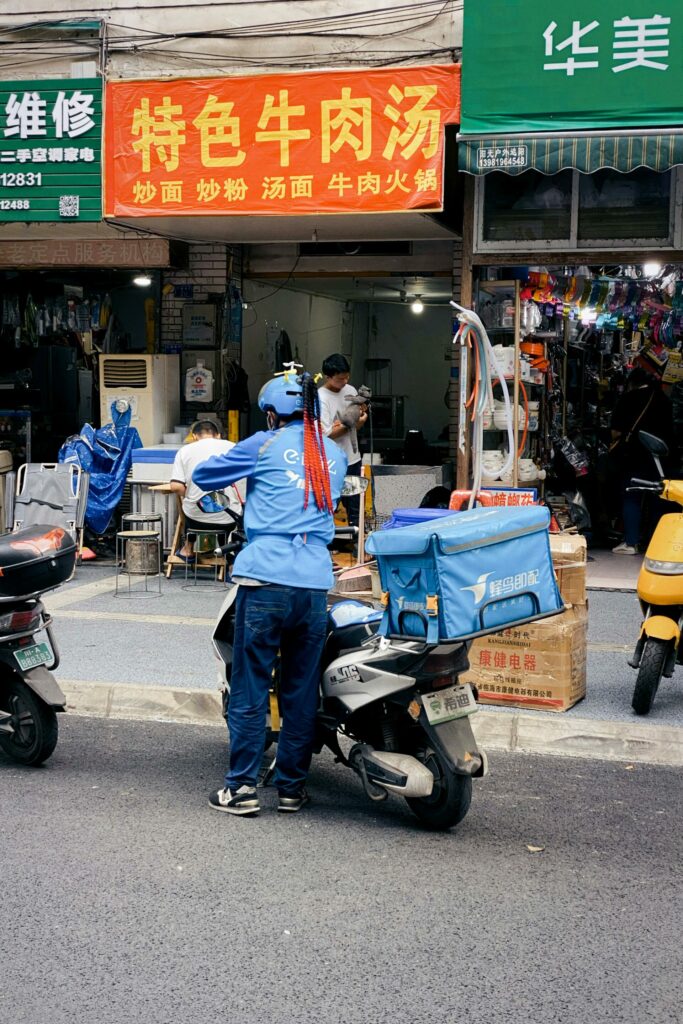
Social commerce and livestream shopping: The future of online shopping
Social commerce refers to the blending of social media and e-commerce, where users can discover, share, and purchase products directly within social platforms. In China, platforms like Douyin (TikTok China) and Xiaohongshu (RED) have revolutionized the shopping experience by combining entertainment, social interaction, and shopping, giving rise to one of the most influential formats in social commerce: livestream shopping. Through real-time broadcasts, influencers, celebrities, and even brand representatives showcase products, answer questions, offer time-limited deals, and create a sense of urgency that drives impulse buying. Viewers can make purchases instantly during the stream, without ever leaving the app. This format has become so popular that livestream commerce now accounts for a significant share of China’s total e-commerce revenue, with major events like Singles’ Day featuring high-profile live sessions that generate billions of euros in sales. For businesses, particularly those targeting younger, tech-savvy consumers, integrating social commerce strategies will be crucial to staying competitive in both Chinese and global markets.

Trends shaping e-commerce in China (and the world)
Several trends in Chinese e-commerce are not only shaping the market locally but are also having a global impact:
- AI-powered personalization: Chinese platforms like Alibaba are leveraging advanced algorithms to predict shoppers’ preferences even before they search. This hyper-personalized shopping experience increases conversion rates and enhances customer satisfaction.
- Green commerce: Sustainability is becoming a key factor in e-commerce. Chinese consumers are increasingly prioritizing products with eco-friendly packaging, and brands offering carbon-neutral delivery options are gaining traction. The rise of “green commerce” is part of a broader global shift towards sustainability.
- Virtual try-ons: Augmented reality (AR) technology allows consumers to virtually try on products before purchasing. From trying on clothes to testing out jewelry, this trend is making e-commerce experiences more interactive and reducing the uncertainty of buying online.
- Community group buying: Another emerging trend in China is community group buying, where neighborhoods form purchasing groups to access bulk discounts on imported goods. This not only saves consumers money but also facilitates social interaction around purchases.
- Cross-border e-commerce: China’s cross-border e-commerce policies have become increasingly favorable. Initiatives like the Hainan Free Trade Port offer tax exemptions, while bonded warehouses allow international brands to store goods in China without full customs clearance until sale. These developments have significantly lowered entry barriers for foreign companies participating in China’s digital economy.
These trends illustrate the rapid evolution of China’s digital retail space. They highlight how technology, sustainability, and community-driven shopping are shaping the future of e-commerce, not just in China, but globally.

Opportunities for global brands in China’s e-commerce market
China’s e-commerce market offers immense potential for businesses across the globe. Platforms like Alibaba, JD.com, and Pinduoduo provide foreign companies access to a vast consumer base. For European brands in sectors like luxury goods, fashion, and chocolate, China’s digital marketplace offers a unique opportunity to reach millions of eager consumers. By embracing trends like mobile-first shopping, social commerce, and AI-driven personalization, foreign companies can effectively tap into this growing market. Chinese platforms not only serve local players but are also a gateway for international brands to connect with consumers in one of the world’s most dynamic digital economies.
Horsten International supports Western companies in expanding into the Chinese market by offering strategic guidance and practical support. Contact us in case you need more information or tailored advice.

Interested in our services?
We are always available to answer any questions you may have. Or interested in a one-hour free consultation?
Contact us