
The hidden power of numbers in China
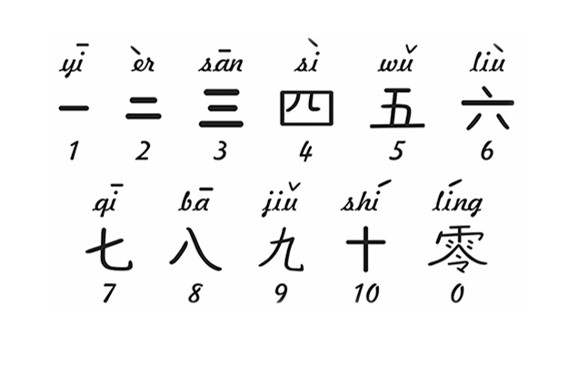
In China, numbers are not merely digits, they often carry special meanings. Their symbolic meanings guide important decisions, such as choosing dates, phone numbers, and even business ventures. Understanding these nuances is essential for foreigners doing business with Chinese people, as numbers hold not only practical value but also deep cultural meanings that can influence business opportunities and relationships.
1. Numbers are more than just digits in China
In Chinese culture, certain numbers are considered auspicious, while others are seen as unlucky, mainly due to their pronunciation. In the Chinese language, pronunciation plays a crucial role in meaning, as many words share similar sounds but have entirely different meanings. This connection ties numbers to similar-sounding words, shaping beliefs about their luck. Unlike in Europe, where numbers are seen as neutral or strictly mathematical, in China, they can shape decisions and even affect one’s fortune.
2. Lucky numbers and their meanings
Certain numbers like 8, 2, 6 and 9 hold particularly strong positive connections in Chinese culture.
- The number 8 (八, bā) is considered the luckiest number in Chinese culture, as its pronunciation closely resembles the Chinese word for ‘wealth’ (发, fā). The Beijing Olympics was held on 08/08/2008 and started at exactly 8:08 PM, showcasing the significance of the number 8.
- In Chinese culture, the number 2 is seen as lucky because it is believed that good things come in pairs. For example, during weddings in China, a couple’s home is often decorated with double paper cuttings, symbolizing good fortune for their marriage.
- The number 6 (六, liù) is associated with smoothness and success, as its pronunciation is similar to the word for ‘smooth’ or ‘to flow easily’ (流, liú). This makes 6 a favored number for business owners, as it suggests that their ventures will prosper without obstacles.
- Similarly, the number 9 (九, jiǔ), sounding like the word for ‘long-lasting’ or ‘forever’ (久, jiǔ), is often associated with longevity. It is used in important celebrations like weddings and birthdays, symbolizing long-lasting love and health.
3. Unlucky numbers and why they are avoided
Not all numbers in China are regarded with the same level of favor. Some numbers, due to their pronunciation, are avoided at all costs:
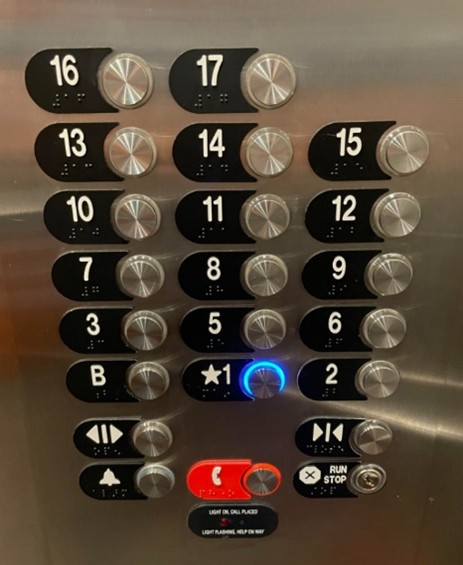
- The number 4 (四, sì) is the most unlucky number in Chinese culture. It sounds like the word for ‘death’ (死, sǐ), making it highly inauspicious. It is so feared that some buildings in China even skip the fourth floor.
- The number 7 (七, qī) holds a more complex place in Chinese numerology. On one hand, it’s linked to Ghost Month (the seventh lunar month), a time when spirits of the deceased are believed to roam the earth, making 7 a number associated with spirits and misfortune. It’s also similar in sound to the word for ‘deceive’ (欺, qī), adding a further negative aspect to the number. However, the pronunciation of the Chinese word for 7 is also linked to positive meanings such as ‘uniform’, ‘even’ (齐, qí), ‘life force’, ‘energy1’ (气, qì), and ‘to stand up’ (起, qǐ), which makes it a lucky number, especially in the context of relationships. Thus, the number 7 carries both negative and positive associations, making it a more neutral number compared to others.
4. How this affects daily life in China
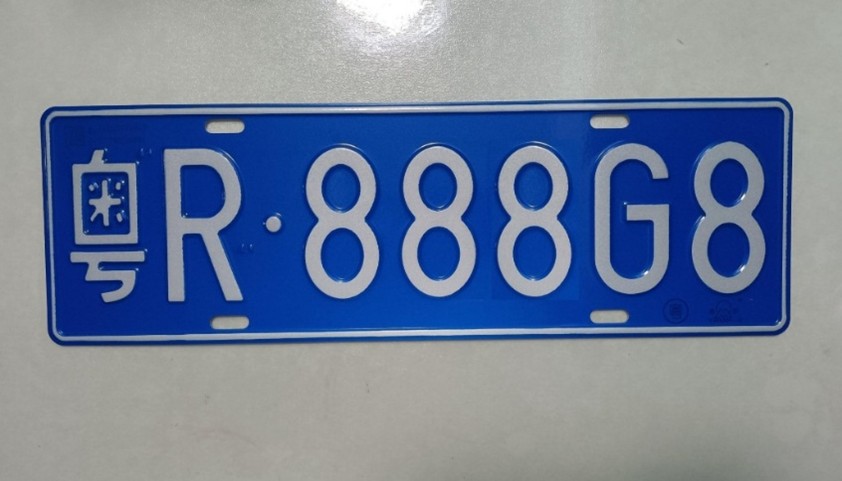
These superstitions influence how Chinese people live their everyday lives, impacting choices and decisions, from selecting car license plates and phone numbers to choosing floor numbers in buildings, addresses, and even major events like weddings and travel. This belief system is deeply embedded in Chinese culture, affecting both the smallest and the most important aspects of life.
When doing business with Chinese partners, understanding the cultural significance of numbers is crucial. For instance, the number 8 is often used strategically in business settings, such as in product pricing or during negotiations, because it symbolizes prosperity and success. Many businesses incorporate the number 8 into their operations, from choosing an auspicious location for their business premises to selecting lucky numbers for marketing campaigns. Additionally, the number 6 is considered auspicious in business contexts, often associated with smooth dealings and favorable outcomes in contracts or transactions. On the other hand, the number 4 should be avoided, especially in pricing or branding decisions, as it is considered unlucky. In gift-giving, numbers also play a key role—gifts in pairs are considered lucky, and offering gifts with specific lucky numbers can strengthen business relationships. When launching a new product or service, selecting an auspicious date based on numerology can make the launch more favorable and contribute to its success. Therefore, business professionals working in China or with Chinese partners should be mindful of these numerological preferences to ensure smoother interactions and better outcomes.
In conclusion, numbers in China are far more than just symbols or mathematical values, they serve as powerful cultural tools that shape decisions, beliefs and actions. From business strategies to personal choices, the significance of numbers influences the daily lives of Chinese people. As Europe and China increase their global interactions, understanding these cultural nuances can enhance business relationships.
Horsten International helps companies navigate these complexities for smoother collaborations and better outcomes. Contact us in case you need more information.

Interested in our services?
We are always available to answer any questions you may have. Or interested in a one-hour free consultation?
Contact us