
Historical Testimony of Sino-Belgian Friendship
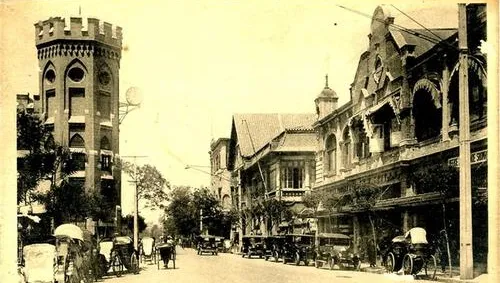
China and Belgium formally established diplomatic relations in the early 20th century, but their historical connections stretch back much further. Over time, significant historical events have strengthened the bond between the two nations, fostering mutual trust and respect, and leaving a legacy that continues to shape their relationship today.
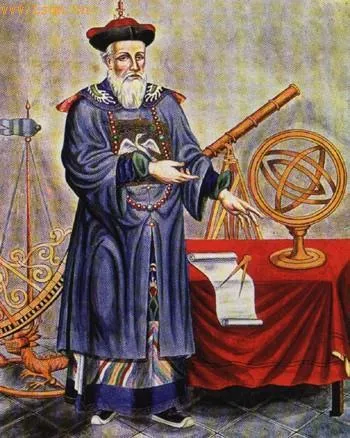
Belgium’s first contact with China dates back to the 17th century when Jesuit missionary Ferdinand Verbiest (1623-1688) put his knowledge as an astronomer and mathematician at the service of the Chinese imperial court. Verbiest arrived in China in 1659 as part of a Jesuit mission and made significant contributions to Chinese astronomy. He was invited to the court of the Kangxi Emperor after demonstrating his expertise in astronomy. Verbiest helped to correct the Chinese calendar and reformed the Chinese astronomical system, which was crucial in gaining the trust and favour of the emperor. Beyond his scientific achievements, Verbiest also acted as a cultural mediator, showing deep respect for Chinese traditions while dedicating himself to understanding the language, culture, and history. His role as a bridge builder remains a lasting symbol of cross-cultural learning and respect between East and West.
In the 19th century, Belgian companies also played a major role in constructing and financing the Beijing-Hankou Railway, one of China’s earliest and most significant railways. Spanning over 1,200 kilometres, the railway connected Beijing in the north with Hankou (now part of Wuhan) in central China. Belgium, recognized for its advanced railway technology and perceived as ‘small country with no grand ambitions in China’, was selected for the project after careful deliberation. Today, the Beijing-Hankou Railway is part of the Beijing-Guangzhou Railway, one of China’s most vital transportation lines. While modern high-speed rail networks have replaced the original line, its legacy remains as a landmark in China’s early industrialization.
Another significant chapter in Sino-Belgian history was Belgium’s voluntary return of its concession in Tianjin in 1931. Granted in the early 20th century as part of the broader system of foreign concessions in China, the Belgian concession was returned as a gesture of respect for Chinese sovereignty. This decision was widely regarded as a symbolic act of goodwill, setting a positive precedent for diplomacy and further deepening the relationship between the two countries.
A notable example of more recent cultural cooperation is the contribution of Paul Janssen, founder of Janssen Pharmaceutica, to the preservation of the Terracotta Warriors in Xi’an. In the late 1990s, when mold was discovered on the statues, Janssen’s company applied its expertise in tropical fungi to develop effective antifungal treatments. By providing fungicides and training staff, this collaboration exemplified a strong scientific and cultural partnership. The initiative not only preserved an invaluable piece of cultural heritage but also reinforced the ties between China and Belgium.
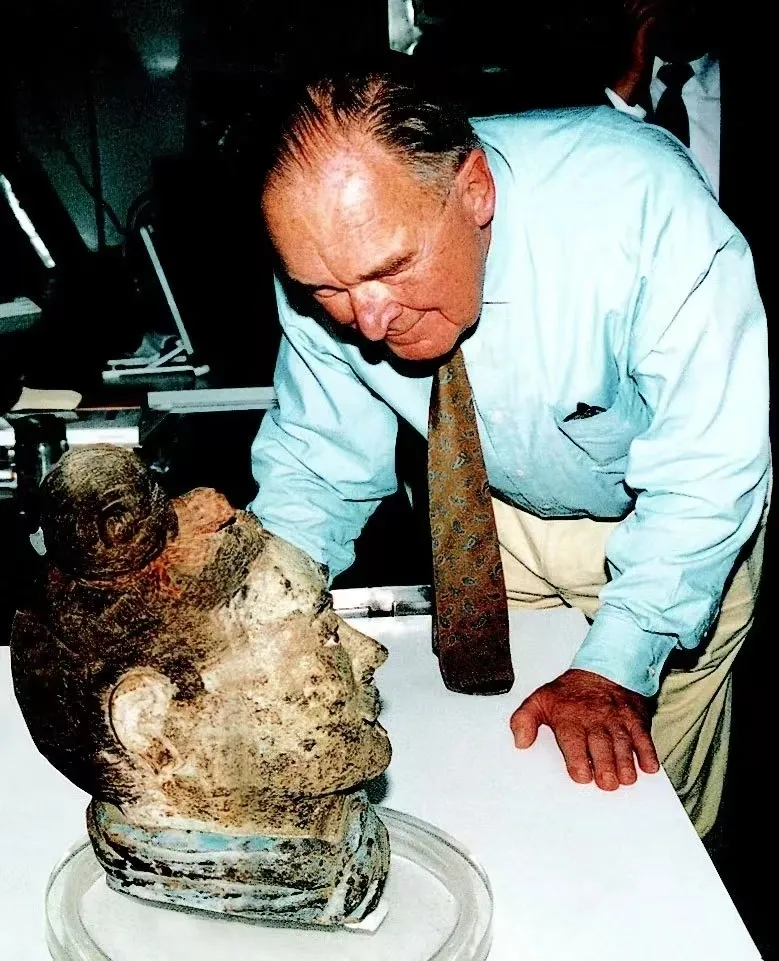
The historical bond between China and Belgium is built on a foundation of mutual respect. From Ferdinand Verbiest’s contributions to Chinese astronomy, to Belgium’s involvement in constructing the Beijing-Hankou Railway and the voluntary return of the Tianjin concession, these early interactions all highlight a deep appreciation for Chinese culture. In more recent history, Paul Janssen’s efforts to preserve the Terracotta Warriors underscore the enduring cultural and scientific collaboration between the two nations. The enduring legacy of these significant historical milestones continue to shape Sino-Belgian relations today.
Contact us in case you need more information.

Interested in our services?
We are always available to answer any questions you may have. Or interested in a one-hour free consultation?
Contact us